If you’re visiting London and planning to use public transport, understanding the London Oyster Card is essential. This smart card offers a convenient and cost-effective way to travel across buses, tubes, trams, and some trains within London’s extensive transport network. But how do you get one, what are the costs, and is it better than a Travelcard or contactless payment? This London Oyster Card guide will answer all your questions, helping you navigate the city with ease from the moment you land.
Option 1 — Best Value: Oyster Card with Daily and Weekly Caps
The Oyster Card is a prepaid smart card that you can top up with credit or buy travel passes on. The best value option for most visitors is to get a standard Oyster Card and pay as you go. The card automatically caps your daily spend, so you never pay more than a certain amount regardless of how many journeys you make. For instance, in 2024, the daily cap for zones 1-2 (central London) is £7.70, which is cheaper than buying individual tickets each time.
You can also add a 7-day Travelcard to your Oyster, which covers unlimited travel within selected zones. A 7-day Travelcard for zones 1-2 costs around £40, making it ideal if you plan to use public transport frequently over a week. Oyster cards cover zones 1 through 9, so you can travel to most tourist areas, including Heathrow Airport (zone 6) and Wimbledon (zone 3).
To get an Oyster Card, you can buy one at London airports (Heathrow, Gatwick, Stansted) from ticket machines or visitor centres. There is a refundable £5 deposit for the card itself. You can also order one online in advance via the TfL Visitor Oyster Card shop.
Option 2 — Fastest: Contactless Payment with Credit or Debit Card
If you want the fastest way to pay without queuing for a card, using contactless payment is the way to go. Most London transport accepts contactless debit or credit cards, as well as mobile wallets like Apple Pay or Google Pay. Simply tap in and out at the card reader, and your journeys will be charged at the same rates as Oyster cards, including daily and weekly caps.
This option means no upfront cost or deposit, and you don’t have to top up. The system automatically calculates the best fare for you. For example, if you travel within zones 1-2, you won’t pay more than £7.70 per day. Contactless is especially convenient if you’re only in London for a few days and don’t want to carry an extra card.
One thing to note: contactless cards must be registered with your bank and support international transactions if you’re visiting from abroad. Also, contactless payment is not available on all National Rail services outside London or on some buses, so check your route in advance.
Option 3 — Easiest with Luggage: Heathrow Express and Oyster Combination
If you’re arriving at Heathrow Airport with luggage and want a hassle-free transfer to central London, combining the Heathrow Express train with an Oyster Card or contactless payment is an excellent choice. The Heathrow Express runs non-stop to Paddington Station in about 15 minutes, making it the fastest airport transfer option.
Tickets for the Heathrow Express start at £25 one-way if purchased in advance, but you can also use your Oyster Card or contactless card to pay for the journey. However, note that Oyster cards and Travelcards do not cover the Heathrow Express fare automatically, so you’ll need to buy a separate ticket for the train itself. Once in central London, you can switch to buses or tubes using your Oyster or contactless card.
Alternative: Taking the Tube from Heathrow
The Piccadilly Line tube connects Heathrow to central London and is fully covered by Oyster and contactless payments. It takes about 50 minutes and costs £3.50 with Oyster or contactless within zones 1-6. This is a cheaper but slower option, especially if you have heavy luggage.
Comparison Table: Oyster Card vs Travelcard vs Contactless Payment
- Oyster Card: Requires £5 deposit, pay-as-you-go with daily/weekly caps, covers all London zones, can add Travelcards, refundable balance.
- Travelcard: Paper or loaded onto Oyster, unlimited travel within chosen zones for 1 day or 7 days, fixed price, no pay-as-you-go flexibility.
- Contactless Payment: No upfront cost, uses your bank card or mobile wallet, same fares and caps as Oyster, no need to top up, but requires a compatible card and bank.
For most visitors, Oyster and contactless offer the best flexibility and value. Travelcards suit those staying longer or planning very frequent travel within specific zones.
Our Recommendation
For your trip to London, we recommend ordering a Visitor Oyster Card before you arrive or picking one up at the airport. It offers excellent value with daily and weekly caps, works on all public transport, and is easy to top up online or at stations. If you prefer not to carry an extra card, use your contactless card or mobile wallet for the same benefits without the deposit. Avoid buying single paper tickets—they’re expensive and inconvenient.
Remember, you can get a refund on your Oyster card balance and deposit when you leave London, provided you return the card within 12 months.
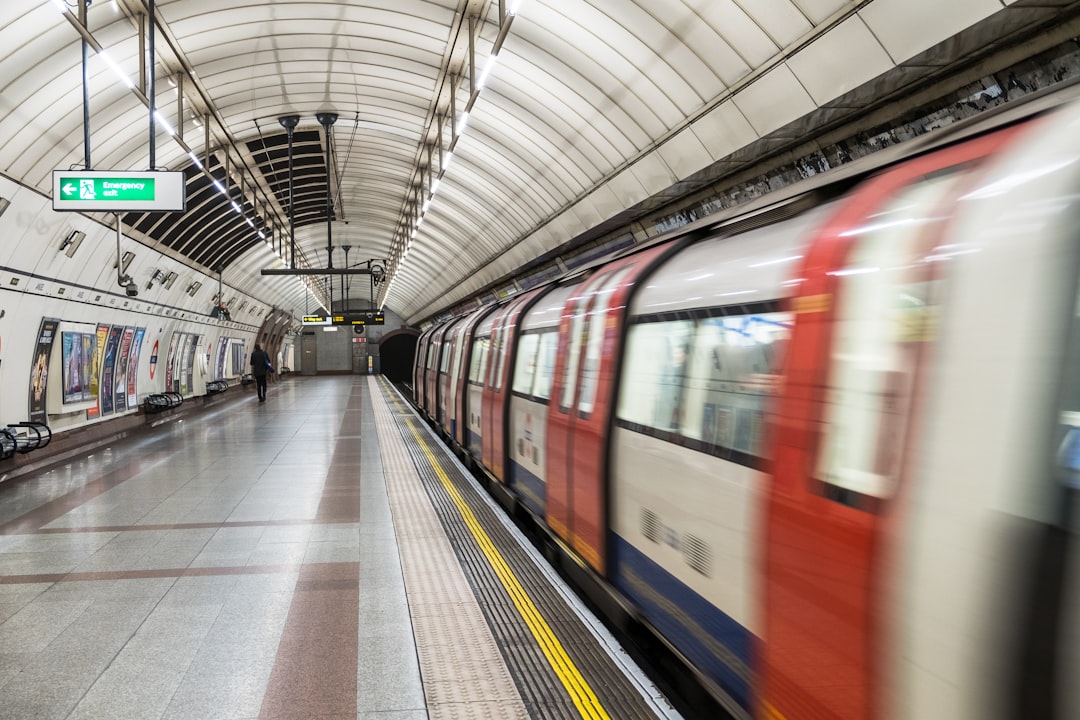
📷 Photo by Raymond Okoro on Unsplash
Travel information notice: Fares, timetables, service availability, and journey times change regularly. All information on this page is provided as general guidance only and is not guaranteed to be current or accurate at the time of your travel. Always verify fares, schedules, and service availability directly with the relevant transport provider before making any booking or travel decision. Heathrow-Gatwick.com accepts no liability for costs, losses, or inconvenience arising from reliance on information published here.